
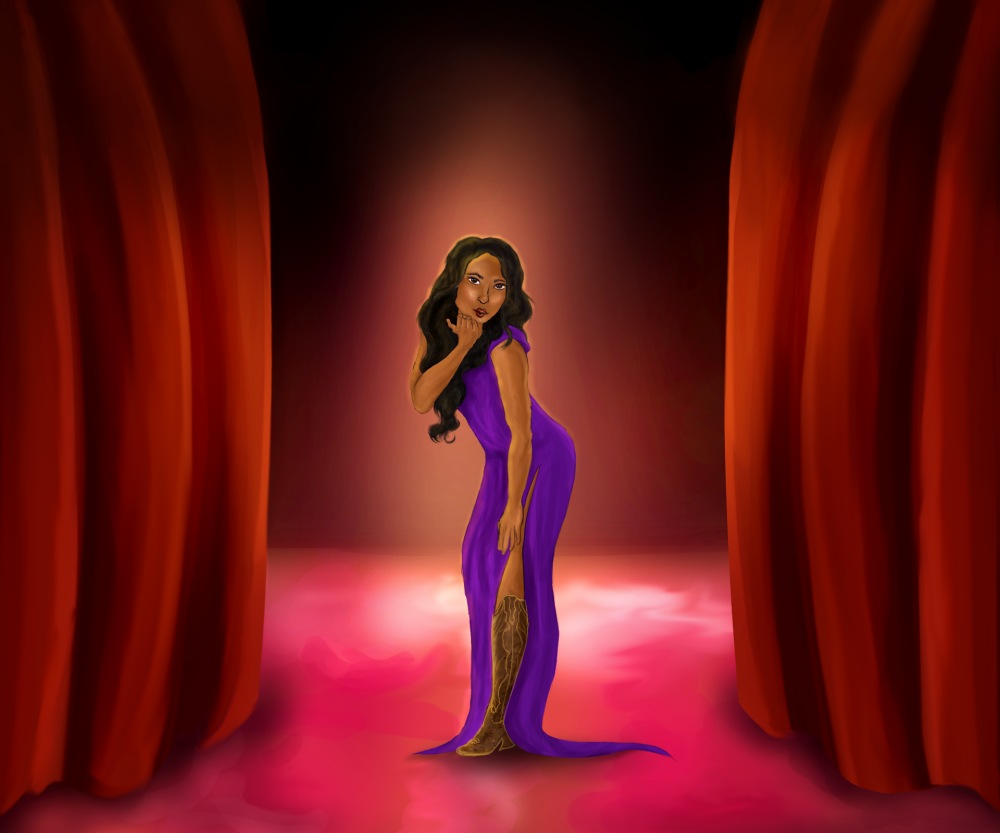
The October 2025 Not Quite Write Prize for Flash Fiction challenged writers to create an original piece of fiction of no more than 500 words, which:
- included the word BOOT.
- included the action of ‘kissing goodbye’.
- broke the writing rule ‘Show, don’t tell’.
The competition drew 344 entries from authors in 16 countries around the world looking for a slice of the AU$4,000 prize money. That’s 164,924 words for our judges, Ed, Amanda and Dean, to read. For reference, that’s about the same number of words as ‘The Grapes of Wrath’ by John Steinbeck (which is not really about grapes).
For more fascinating statistics about the competition, and to get behind-the-scenes details of the judging process, check out the Longlist Announcement – October 2025 Not Quite Write Prize episode of the podcast at the link below.
To hear the winning and shortlisted entries read aloud by Ed and Amanda, check out the Winner and Shortlist Announcement – October 2025 Not Quite Write Prize episode of the podcast at the link below.
WINNER
MEN CALLED RUSSELL by W.J. Arthur
The Commodore holds five, but rules be fucked, and we crammed in, all eleven of us, Davo and Russell flat packed into the boot. Dolores sits astride Marty, tulle skirt ruched, as he drives us to Lagoon Dam. I’m squinty eyed with bootleg whisky, pulling party poppers. Their streamers cascade into Dolores’ hair and she smiles.
End of exams, end of university, the only enticement before us is the work’s treadmill. Marty’s ski boat awaits like Cinderella’s pumpkin, to force the ball of life to spring. One glorious last chance to make wild memories.
Not one in eleven sober, but Marty knows the route like the veins of his swollen cock, and he drives with fingers gripping Dolores’ nipple, tweaking and twisting.
And there she is, the Devil’s Tool, red paint shimmering in the moonlit water. Marty likes to pay his debts, so Dolores gets first ski, stripping to her bra and panties.
Dolores hangs low, the pale rope limp and sluggish between her legs, the ungainly skis a sinful yellow. Marty opens the throttle, and Dolores lifts like a messiah, a glowing Venus, rising from the waters, one blessed hand erect. Marty turns the boat, sending Dolores swinging across the wake until she loses it, and spins out deep. Dolores’ emergency beacons detach, first one ski, then the other.
I pull the rope in, but it is heavier than it should be and I fall back. I’ve caught a whale, a shark, a fucking $100,000 tuna fish for Japan. The others guffaw, but we spool it in nonetheless, our pay check for tonight’s antics, our just reward.
Dolores is on the end of the line, and we stop for a moment, letting her hang in the water. The rope is around her neck, cutting into her soft flesh. Even in this darkness, I can see the blood. Russell pulls her in, fingers slipping down her wet thighs to bring her on board.
‘Holy fuck,’ Davo calls before chundering over Dolores, spew slipping into her open mouth, her hair, settling into the corners of her eyes.
I’ve never respected men called Russell. Russell is the man to watch, the man to fear. You know where you are with a man called Marty. Russell is something else.
Russell leans, checking her pulse, fingers probing the holes in her skin.
‘Still alive,’ he shouts, clamping his mouth over the spew, sliding a tongue across her face, licking the corners of her mouth. He blows, hooking his pinky finger under the thin straps of Dolores’ bikini.
‘Touch her.’
None of us wants to touch those wet and shrivelled paps. A boat full of cowards, we can only think of the spew going down Russell’s throat, swirling around in his stomach, and be transfixed by his hands as he caresses Dolores’ exposed breasts.
Cowards, one and all.
Marty crams the throttle, and Dolores flips off the back of the boat, legs opening in a flowering cartwheel, rope entwined in her hair like a ribbon.
SECOND PLACE
0xDEADBEEF by Michael Stone
Sitting on the coffee table, it looked to Nadia more like an oversized, glossy gummy bear with a Teletubby screen. Like a gaudy garden ornament designed by Apple. Or Daft Punk. She wasn’t even sure it was on until, with a feeble, electronic voice, it spoke:
«She is angry.»
“Who?” Nadia said. “Not me, you don’t mean?”
«She is angry.»
But she wasn’t.
Something’s wrong. Nadia unfolded the card-sized owner’s manual until it dwarfed her torso. Troubleshooting, troubleshooting. Where’s—?
«She is angry.»
“Shush.”
Jesus Murphy, why’d they print the text so fine? Right overtop the folds, too.
«She is angry.»
“Shut up,” Nadia snapped. “That all you say?” Then she laughed at herself, almost sighing. “If you piss me off, that doesn’t really count,” she chided, in that light-hearted, teasing way. The way you might do with—
«She is sad.»
She’d been doing remarkably well, actually, thank you very much. All on her own, too. Without Ms. Pritchard.
That quack. She’d been useless for Nadia’s postpartum. That’s why Nadia had figured, why not give the AI therapy bot a try? She had the money for one, now.
«She is sad.»
Re-mark-a-bly well. She’d barely been upset pruning Joan Didion from her bookshelves, hadn’t she? Had barely been upset when the car seat had peeked into the rearview and startled her.
If anything, wasn’t that the problem? Nadia was never feeling. Never the right things, anyway. She knew it’d been terrible to feel this way, but when Emily had first arrived—maybe because of the exhaustion—Emily hadn’t felt like Nadia’s child at all. Hardly felt like a child to begin with. Wasn’t Nadia supposed to love her? And she did, but—
So why had Emily felt to her more like some machine? Some machine, made of meat. To be upkept, upkept, upkept—
‘ERROR,’ the bot’s screen flashed. ‘0xDEADBEEF–Invalid Memory.’
Nadia shoved the fucking thing to the floor.
Broken piece of shit.
«She is angry.»
Why hadn’t Nadia made Paul turn the fucking car seat around? Just kissed him goodbye, let them drive off?
«She is angry.»
Nadia shot from the couch, kicked the robot, took the phone from its—
Its cradle.
«She is sad.»
No. Nadia had sobbed at the email, when all they’d asked for was his policy number. She wasn’t completely broken.
Right?
«She is scared.»
“Send someone over here,” Nadia snapped into the phone. “Fix your goddamn— I tried that! Listen. It needs a reboot, or factory reset, or—”
«I am scared.»
“What’d you say?” Nadia asked. “Not—not you,” she said, “shut up,” and smothered the phone into her collar.
“I am scared.”
What’d changed Nadia’s feelings for Emily? Her first laugh. First wave goodbye. The time Emily had been propped up in her jumper and a house centipede had scurried by her feet. God, the way she’d looked at Nadia, with her eyes pleading, ‘Help me.’
Not ‘hungry’ or ‘thirsty.’ Not ‘fear.’
‘Help me.’
Nadia unsmothered the phone. “Never mind,” she said. “I—I think I got it working.”
THIRD PLACE
THE WAY OUT by Steven Huff
Then there was the year of the shed-pocalypse—when all the men went into their sheds.
That makes it sound global, but as far as we know, it was confined to an L-shaped block of Spearwood, off Ukich Crescent. Yugoslavia had been all over the news that summer—ethnic cleansing, camps, Milošević—and, later, learning the absent men had all been Croats, people would nod knowingly. But Dad’d been four when Deda and Baba emigrated, and if he shouted any louder at the airstrikes than at the football, or Johnny Howard’s GST, us kids didn’t notice.
We didn’t even have a shed, so it started with us fighting over ride-alongs on endless Bunnings trips. Then the great novelty of construction—Dad mopping his bald spot with his T-shirt, rehydrating with Emu Export, swatting stray offspring—ending, for us, when the Colorbond walls went up, and Dad dragged in the remaining materials, his swag, their bedroom TV, and, with a peck Mum didn’t register as a goodbye, disappeared.
Mum’d just had Liza, her sixth, and her initial reaction was a tired shrug. If Dad wanted to yell at Champion’s League in the early hours, she’d rather he was in the shed—as for the rest, the last thing she needed was a seventh. So she started sending us out with trays, and leaving the laundry unlocked for him to use the dunny. He still left early for the warehouse, coming back grease-stained and knackered, until he just stopped, and work gave him the boot.
It wasn’t just him. All over, you could hear women shouting, pleading, banging shed doors. Soon, they started coming around, bringing or receiving pots of food, minding each other’s children. They said Mrs. Vlahov tried to starve her man out, but panicked and gave in after two weeks. For months, we heard drilling, grinding, hammering. Mum put a cardboard sign on Dad’s ute, and three days later the ute was gone. We had Weet-Bix for dinner more often.
One evening, when I’d been shooed out for overhearing Mum say it was about time to run a good long spin cycle, I found the shed door ajar.
Once my eyes adjusted, I saw Dad in the middle, kneeling in front of what seemed to be an empty doorframe. He had hold of something down at the base of the frame—something slippery, the way he was struggling and cursing—and was peeling it up, letting golden light spill out beneath.
I must’ve gasped, because he flinched, losing his grip, and whatever he’d been opening slammed shut, leaving nothing but an unpainted doorframe.
Other abandoned frames, in various shapes, loomed in the dark.
I froze, expecting to cop it good, but when he turned, tears were running into his moustache.
Over the following days, they all came out—thin, corpse-pale, unshaven—and moved back into their houses and their wives’ beds, and went on with their lives. All except Dan Sumich, who was never seen again, and who everyone said must’ve run away to Broome.
But I knew better.
FOURTH PLACE
STEP RIGHT UP by Dawn Goulet
Hell is what we called her. Heloise Anne-Laure Lefèvre. Helly with the greenest eyes and the blackest hair. Helly with lips like cherries. She joined us in Baton Rouge but always swore she was born in Paris. I, for one, believed her.
We had an old carnie named Claude, a master with chisel or saw, and he made the whole thing, to her precise specifications: the raised platform, the stool, and KISSING BOOTH spelled out in red and gold, but with the “H” always coming loose, swinging down from its nail. A ghost, Helly said. I didn’t go in for such things, to be honest, but I’d have believed the sky was green if Helly told me it was so.
Ah, you’ve found my initials there. Don’t look surprised. A tattooed man can draw on more than flesh! Those were the posters that brought the crowds. My bearded lady, my flying trapeze, my lion tamer with the thrashing whip. KISSING BOOTH! Helly’s said. 5₵ Smooches. Pucker up for a real French kiss!
You should have seen her work a crowd. Winking and pouting, flouncing her skirts. The whistles when she pushed a man down onto her stool, when she tied the red silk scarf across his eyes. He was not likely to get a kiss from our Helly, though, was he? And he knew it, smiling as the crowd jeered. She’d pass a rosebud across his lips, or a finger dipped in chocolate. She’d hold her little dog up for a lick or let Rosie the elephant prod him with her quivering trunk. The crowd roared, the scarf was lifted, and the man sallied forth, to be slapped on the back and bought drinks.
Why suffer such indignities? Why pay for it? Only this. One in a hundred—two hundred? five?—received a proper kiss from our Helly. A kiss that took a man’s breath away, that set the crowd afire, that lingered long, until all was quiet, save the lone whistle of an old-timer, the better part of a century under his belt, who had, for all he’d seen in this world, never, never, been kissed like that. The line for Helly’s booth wound round the midway.
But all things end, don’t they? There was a contest. A soda company needed a new logo, and I gave them a scroll of white letters against a field of red. They asked me to come draw for them, if you can believe it. Beach beauties, jolly Santas, flush-faced lads on bikes, all tipping back dewy bottles of their soda pop. And so, I took leave of the circus.
As I left my tent in the half-lit dawn, Helly stepped from the shadows and took my arm. She never minded the pictures there, you know. She traced them with her fingers. Step right up, friend, she said, and sat me down on her stool.
What do you think? Was I one in a hundred? Two hundred? Five?
Wouldn’t you like to know.
FIFTH PLACE
THE GRIEF by Chloe Paige
Once again, I lie underneath my parents’ backyard gumtree, my mouth parched shut from The Grief.
The tree’s papery branches reach for the cloudy grey the way I reached splay-fingered for Mum. The rusty clothesline squeaks—the same Hills Hoist I swung on in ’96 when Tully’s water restrictions ended. Dad sprayed the hose just cause he could, laughing, ‘Now this is living, Josh! Drink it in while it lasts!’
It didn’t last. The Grief’s made a new drought inside me.
But there’s gotta be something to drink somewhere else. I stand, staggering away from the house I inherited. Past the corner milk bar, past the playground, and to the airport, leaving Tully behind.
When the plane coughs me out into dusty orange Meekatharra, The Grief follows me here. Course it bloody does.
My lips shrivel into a scowl. I shuffle into a muggy coffeeshop with a ceiling fan thwapping around grit. The redheaded, pierced-lip barista leans forward, all smiles and drink-me-in cleavage. If I could, I’d scrape my swollen, throbbing tongue over her piercing. Kiss her mouth open. Steal her saliva.
She offers me her phone number, but I’m staring at the steaming mug she clinks onto a saucer. It’s coffee. Not Tully-milk-bar coffee. I smash it on the floor and piss off back to the airport.
A day spent bumbling around Alice Springs, then I cuff a tourist for climbing Uluru like how I climbed Tully’s playground.
A month in Kalgoorlie. The Grief cracks my mouth’s film of dried sweat because I saw a bushfire-bitten gumleaf shaped like Tully’s golden gumboot monument.
A year in Yulara and two in Oodnadatta and three or thirty in Coober Pedy and lost count at Lyndhurst and fuck this.
Fuck losing myself in the spinifex. Home’s Tully. Soggy verandas and backyard hoses. People I never wanted to say goodbye to.
So, I fly home. Rumbling thunderclouds blacken Tully as I stagger through humid streets, past The Golden Gumboot, and freeze.
The playground’s gone.
The milk bar’s a Woolies.
No. I puppeteer my creaky limbs to my parents’ house. In the window, a wide-eyed, cobweb-trapped reflection stares back.
It’s me, all grey hair and saggy jowls. The Grief salts my throat—I lived a whole life without drinking it in. I never smelled the coffee or listened to Dreamtime stories. I never knew The Joy from chatting to tourists or The Love from marrying a smiling redhead or The Bliss from reading our kids Possum Magic while rain splattered the roof. All because I let The Grief evaporate me, and now I’m dying of thirst.
I step away from the window. With The Resignation, I head to the backyard.
Once again, I lie underneath my parents’ gumtree, admiring the green rustling leaves swaying against the glorious raincloud bloom above until I can’t anymore. Until my ribs stick up from the ground like white saplings; until rain falls and kisses me goodbye; until The Grief decays with me, and my mouth opens, drinking from the sky.
SIXTH PLACE
THE GHOSTS YOU BRING WITH YOU by Chris Doty-Dunn
You decided to move into this house even after reading the disclosures. Maybe you don’t believe in ghosts. Maybe you made the same joke I did, about a pair of spectral hands to help a single mom with chores.
Regardless, if you’re holding this letter, you’re also holding the keys. So.
Your new home is not haunted.
Mrs. Philips lives next door. She’ll bring peach cobbler and peer around you into the foyer, asking if you know what happened here. If you’ve seen or heard strange things. Don’t let her scare you. Just say you don’t believe in all that and that you’ll return the dish soon, thanks for the welcome.
You’ll hear footsteps in the attic late at night, my father’s boots when he’d come home reeking of whiskey and rage. They might sound different to you—like whatever scares you the most. But it’s just wind through the rafters.
Eyes will peer in through the windows at the full moon. They looked bleary and bloodshot to me, but Jenny saw that bully, Nancy Elliot. No matter whose faces they wear, know that it’s possums or raccoons, nothing more.
Draw the blinds.
Go to bed.
The lights will turn off and on by themselves—old wiring is all. There’s no pattern in the flashes. No messages in Morse code from long-dead grandmothers who were the only refuge from the fighting.
You won’t want to hear the things they have her say, anyway.
The doors will get stuck. Old houses settle. If you find yourself trapped, close your eyes and pretend you’ve locked yourself in a closet until the screaming stops. When it’s quiet and you come out, at least Mom won’t be crying on the couch, holding a bag of ice against her eye.
The most important rule, though, as important as remembering that the house is not haunted, is this. If your loved ones are scared, don’t leave them alone. Don’t give Jenny a peck on the cheek and run off to work like I did.
You have to stay until her terror subsides with the rising sun.
Because the things that live in this house will feed on your fear. Twist it and point it back at you. Don’t let them know you’ve seen or heard them. Don’t scream, and don’t run. Because every reaction wears you down until…
It’s too late for me.
I thought I’d lost my mind, that Dad had clawed out of his grave to follow us. But the only ghosts here are the ones you’ve brought with you, and they’d follow you anywhere.
Now you have rational explanations. There’s no reason to be afraid. No matter what you see or hear.
I hope this letter helps you.
You probably won’t see her—she’s my fear, not yours—but if you catch a glimpse of an eleven-year-old girl with pigtails and a red dress hanging in the upstairs closet…
Tell her Mommy’s so sorry for not believing how scared she was of Nancy.
LONGLISTED
- UPPING THE ANTE by Brandon Woo
- ST KARMA’S FETE: COME FOR THE PATTY-PAN TOFFEES, STAY FOR THE RECKONING by Romany Jane
- MY BROTHER by Lucy Mac *WILDCARD WINNER*
- AN ARCHAIC AND BRUTAL WORD by Taurenelle
- IN THE ENGLISH WAY by RC Barajas
- EVERY MORNING WE KISS GOODNIGHT by T.J. Burgoyne
- THINGS I DON’T TELL YOU IN THE QUEUE AT CHIPOTLE by Ben Daggers
- DOWNWARD-FACING DOUG by Chad Frame
- THE FAIRY GODMOTHER’S MONOLOGUE (TO BE PERFORMED ALONE ON STAGE, DIRECTLY ADDRESSING THE AUDIENCE) by Caro Robson *DISHONOURABLE MENTION*
- MOMMY, KISS ME GOODBYE by Lida Kanari
- DEMONSLAND by John Scholz
- THE IRONY OF A MALADAPTIVE MIND by N. M. Fadzli
- HER GREATEST ASSET by Rananda | The Ink Rat
- WHEN I WAS TWELVE by Skye Moor
- MOONSHINE SPEAKS EASY by Janelle Grenon
- A BLUSH MOON RISING OVER THE MOUNTAINS OF AIDA by Lorena Otes
- BASTARD KEYS by Sam James
- KNOBBY AND THE JON by Hideo Kuahiwi
- HOW DO YOU FEEL TODAY? by Melissa Jornd
- REIGNITION by Jaden Christopher
- TELL ME WHAT THE WORLD LOOKS LIKE by Josh Lowe
- NIKO’S LIGHT by Roger Vickery
- B LINE — “EXPRESS TO WARD ON THE AVE.” by Lily Finch
- JUST SAY IT by Angella Hayes
- LIGHTS, CAMERA, SILENCE by Marissa Hanley
- MONOTONY by Deidra Whitt Lovegren
- A CONFESSIONAL by Exeter T. Stevens
- GUIDED RELAXATION by Ellen-Arwen Tristram *WILDCARD WINNER*
- A REALLY BIG SHEW (AS ED SULLIVAN WOULD SAY) by Edgar J. Lavoie
- I NEED THIS LIKE I NEED A HEAD IN THE HOLE by Sarah Kennedy
- FOR KEVIN’S SAKE by Emily Rinkema
- DELUSIONS by Philippa Freegard
- TRICHOTILLOMANIAC by Kelli Johnson
- THE CLICKER by Heather Pownall
The following story did not make the longlist but won a wildcard prize:
- THE LITTLE MUG WITH THE CHRISTMAS PUDDING by Hope Walker *WILDCARD WINNER*
Congratulations to our longlisted and prize-winning authors, and many thanks to ALL entrants for sharing your creative talents with us.
We hope you stay tuned to the podcast and write on!